
"civet feces"
300 article(s) found

Exquisite civet coffee price Vietnamese civet coffee human shit coffee
Civet Coffee Editor Muscat Coffee (Kopi Luwak), produced in Indonesia. It is one of the most expensive coffee in the world, with a price of several hundred dollars per pound. It is extracted from the feces of the civet and processed. The civet eats the ripe coffee fruit, which is excreted by the digestive system and fermented by the stomach.
Boutique Kopi Luwak Indonesian Kopi Luwak Kopi Luwak how much is a jin of human shit coffee
Muscat Coffee Editor synonym Kopi Luwak generally refers to civet coffee (Kopi Luwak), produced in Indonesia. It is one of the most expensive coffee in the world, with a price of several hundred dollars per pound. It is extracted from the feces of the civet and processed. The civet eats the ripe coffee fruit, which is excreted through the digestive system and passed through the stomach.
Fine Coffee Cat Poop Coffee Manor Cat Poop Coffee Origin Sumatra
Cat poop coffee, Indonesia. In the early 18th century, the Dutch established coffee plantations in the Indonesian colonies of Sumatra and Java, and prohibited the locals from picking and eating their own coffee fruits. Indonesian locals accidentally discovered that civet cats love to eat these coffee fruits and will expel the beans intact when defecating. Civets only pick the best.
Civet Coffee Price civet Coffee Coffee good? civet Coffee producing area
Kopi Luwak is produced by the feces of Indonesian coconut cats (a kind of civet) as raw materials, so it is called Kopi Luwak. This kind of animal mainly feeds on coffee beans. After completing fermentation in the coconut cat's stomach, it destroys proteins, produces short peptides and more free amino acids, reduces the bitterness of coffee, and then excretes feces as the main raw material. Because coffee beans cannot be digested, they will be excreted.
The characteristics of civet coffee introduction of civet coffee
Kopi Luwak is produced by the feces of Indonesian coconut cats (a kind of civet) as raw materials, so it is called Kopi Luwak. This kind of animal mainly feeds on coffee beans. After completing fermentation in the coconut cat's stomach, it destroys proteins, produces short peptides and more free amino acids, reduces the bitterness of coffee, and then excretes feces as the main raw material. Because coffee beans cannot be digested, they will be
Yunnan musk cat coffee beans
Kopi Luwak is produced by the feces of Indonesian coconut cats (a kind of civet) as raw materials, so it is called Kopi Luwak. This kind of animal mainly feeds on coffee beans. After completing fermentation in the coconut cat's stomach, it destroys proteins, produces short peptides and more free amino acids, reduces the bitterness of coffee, and then excretes feces as the main raw material. Because coffee beans cannot be digested, they will be
Indonesian boutique coffee civet coffee flavor taste manor production area introduction of civet coffee price
It is said that coffee farmers in early Indonesia regarded civet cats that ate ripe coffee fruits as mortal enemies, but at some point someone began to think of picking coffee beans from the civet droppings to make coffee with unique flavor. Coffee experts everywhere have tried and were amazed. Since then, local farmers spend a lot of time every day collecting civet droppings in the forest during the coffee ripening season.

Cat shit Coffee Shop order Price list _ Coffee Bean Flavor taste _ how much is Kopi Luwak per jin
Professional coffee knowledge exchange more coffee bean information please follow the coffee workshop (Wechat official account cafe_style) Kopi Luwak, also known as: civet coffee. Civet coffee is KOPI LUWAK in Indonesian and Civet Coffee in English, where Kopi is coffee and Luwak means civet. Civet coffee is also called Kopi Luwak.

Introduction to the flavor and taste of civet coffee the price of civet coffee in Indonesia
The coffee comes from the excrement of an animal called the civet (commonly known as the civet in Indonesia). Although it comes from smelly poop, it is full of sweetness and a burst of indescribable sweetness. This wild musk cat likes to eat fat, pulpy coffee fruit, but the hard hard nut (raw bean) cannot be digested. It is excreted with feces and becomes Kop after cleaning.

Civet Coffee Flavor Civet Coffee Features Civet Coffee Taste
Cow coffee is produced from the feces of Indonesian coconut cats (a civet cat), so it is called cat poop coffee. This kind of animal mainly feeds on coffee beans. After fermentation in the coconut cat stomach, protein is destroyed, short peptides and more free amino acids are produced, the bitter taste of coffee will be reduced, and the feces discharged will be the main raw material. Since coffee beans cannot be digested, they will be discharged.

Unique fermentation way Indonesian Kopi Luwak flavor taste introduction Kahayang Gan Manor
Kopi Luwak, also known as civet coffee. The official name of Kopi Luwak is Kopi Luwak. Kopi means coffee in Indonesian and Luwak is a wild civet in Indonesia. The coffee is commonly known as Kopi Luwak because it is made from beans picked from the droppings of civets. Kopi Luwak, produced in Indonesia, grows a lot of coffee crops.

The characteristic flavor of civet coffee
Civet Coffee (Kopi Luwak), native to Indonesia. It is one of the most expensive coffee in the world, with a price of several hundred dollars per pound. It is extracted from the feces of the civet and processed. The civet eats the ripe coffee fruit and is excreted through the digestive system. After it is fermented through the stomach, the coffee produced has a special taste and has become a grab in the international market.

Full and juicy Muscat Coffee Manor Flavor and Taste characteristics of Indonesian Fine Coffee
Kopi Luwak is produced by the feces of Indonesian coconut cats (a kind of civet) as raw materials, so it is called Kopi Luwak. This kind of animal mainly feeds on coffee beans. After completing fermentation in the coconut cat's stomach, it destroys proteins, produces short peptides and more free amino acids, reduces the bitterness of coffee, and then excretes feces as the main raw material. Because coffee beans cannot be digested, they will be
The Origin and practice of Kopi Luwak in Indonesia the truth about the making process of Kopi Luwak is artificial Kopi Luwak.
Professional Coffee knowledge Exchange more information on coffee beans Please follow Coffee Workshop (Wechat official account cafe_style) Kopi Luwak, produced in Indonesia in Southeast Asia, has been named one of the top ten most expensive coffee in the world, and it also has a more elegant name Muscat Coffee, but in any case Kopi Luwak has become the treasure of the town hall of premium cafes. Indonesian cat shit coffee

Is Kopi Luwak really cat shit, introduced by Kopi Luwak
Following caf é (Wechat official account vdailycom) found that the opening of a small shop in Beautiful Cafe depends on the origin of the coffee. If the coffee is from Indonesia, it should be the feces of civets. If it is from Yunnan, China, it is very likely to be masked palm civet's feces. Kopi Luwak is actually a kind of coffee made from coffee beans digested and excreted by civets, and it is also a kind of coffee in the world at present.
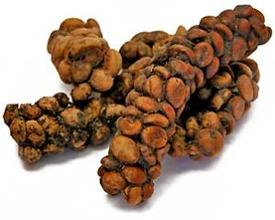
Cat poop coffee civet coffee latest coffee introduction boutique coffee introduction
Cat poop coffee is produced from the feces of Indonesian coconut cats (a civet cat), so it is called cat poop coffee. This kind of animal mainly feeds on coffee beans. After fermentation in coconut cat stomach, protein is destroyed, short peptides and more free amino acids are produced, the bitter taste of coffee will be reduced, and the feces discharged will be the main raw material. Since coffee beans cannot be digested, they will be digested.

Civet Coffee Flavor description, Grinding degree, Taste, Fine Coffee characteristics, methods and methods
Kopi Luwak, produced in Indonesia, is one of the most expensive coffee in the world. Indonesia grows a lot of coffee crops, including wild animals called civets, omnivores, pointed mouths and dark gray fur. The favorite food is fresh coffee beans, which are fermented and digested in the body and eventually excreted by cats. Feces are just grains of coffee beans.
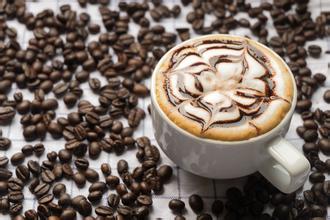
The origin of Kopi Luwak is the practice of civet coffee.
Kopi Luwak is produced by the feces of Indonesian coconut cats (a kind of civet) as raw materials, so it is called Kopi Luwak. This kind of animal mainly feeds on coffee beans. After completing fermentation in the coconut cat's stomach, it destroys proteins, produces short peptides and more free amino acids, reduces the bitterness of coffee, and then excretes feces as the main raw material. Because coffee beans cannot be digested, they will be

Thick and fragrant cat feces Coffee beans Flavor description Processing method Variety characteristics Grinding scale Introduction
M.P. Mountanos, the company that first introduced Kopi Luwak coffee to the United States, pointed out that when he first heard about this kind of in vivo fermented coffee, he thought it was a joke in the industry and didn't take it seriously. Later, he saw a special report on Kopi Luwak in National Geographic magazine. It took seven years to find a stable source of supply and began to introduce small quantities into the United States.

The treatment of Cat shit Coffee beans introduction to the taste and flavor of manors produced in the area of grinding scale
In the coffee industry, Kopi Luwak is widely regarded as a product with novelty as the selling point. The American Special Coffee Association (Specialty Coffee Association of America,SCAA) says the industry consensus is that it tastes bad. SCAA quoted a coffee expert as saying: obviously, the selling point of Kopi Luwak is its story, not its quality. Adopt SCAA